
Multiplying value generation through mixed-use regeneration: How TIQ is quantifiably benefiting Nottingham
By Chris Ware, managing director at Conygar, the developer behind The Island Quarter
Successful regeneration is rarely defined only by what is built on a site. Its real impact is measured by the wider economic activity it unlocks across an entire city.
Research from the Centre for Cities highlights just how powerful this effect can be, with every £1 of investment in regeneration and infrastructure, around £5 of private investment typically follows. This relationship is one of the defining characteristics of successful city transformation projects across the UK.
Public investment often provides the foundations that make development viable. Improvements to transport, infrastructure, public realm and planning frameworks help create certainty and signal long-term confidence in a place. This encourages businesses, developers and investors to commit their own capital, accelerating growth and increasing the overall value generated by regeneration.
In Nottingham, and across many UK cities, this multiplier effect is transforming former industrial or underused land into thriving mixed-use districts. The result is not just new buildings, but stronger local economies, new employment opportunities and neighbourhoods where people choose to live, work and spend time.
Creating a catalyst for wider investment
This dynamic is particularly relevant for large-scale urban regeneration projects. When a development creates new homes, workplaces, cultural venues and public spaces in a single masterplan, it becomes a catalyst for surrounding investment.
Mixed-use regeneration plays a crucial role in this process. By bringing together residential, commercial and leisure uses, these developments create consistent footfall throughout the day and evening. This supports local businesses, increases economic resilience and encourages further investment in the surrounding area.
Regeneration in the context of Nottingham’s growth
Nottingham is currently undergoing one of the most significant periods of city centre development in its recent history, with more than £4 billion of investment planned or underway across the city.
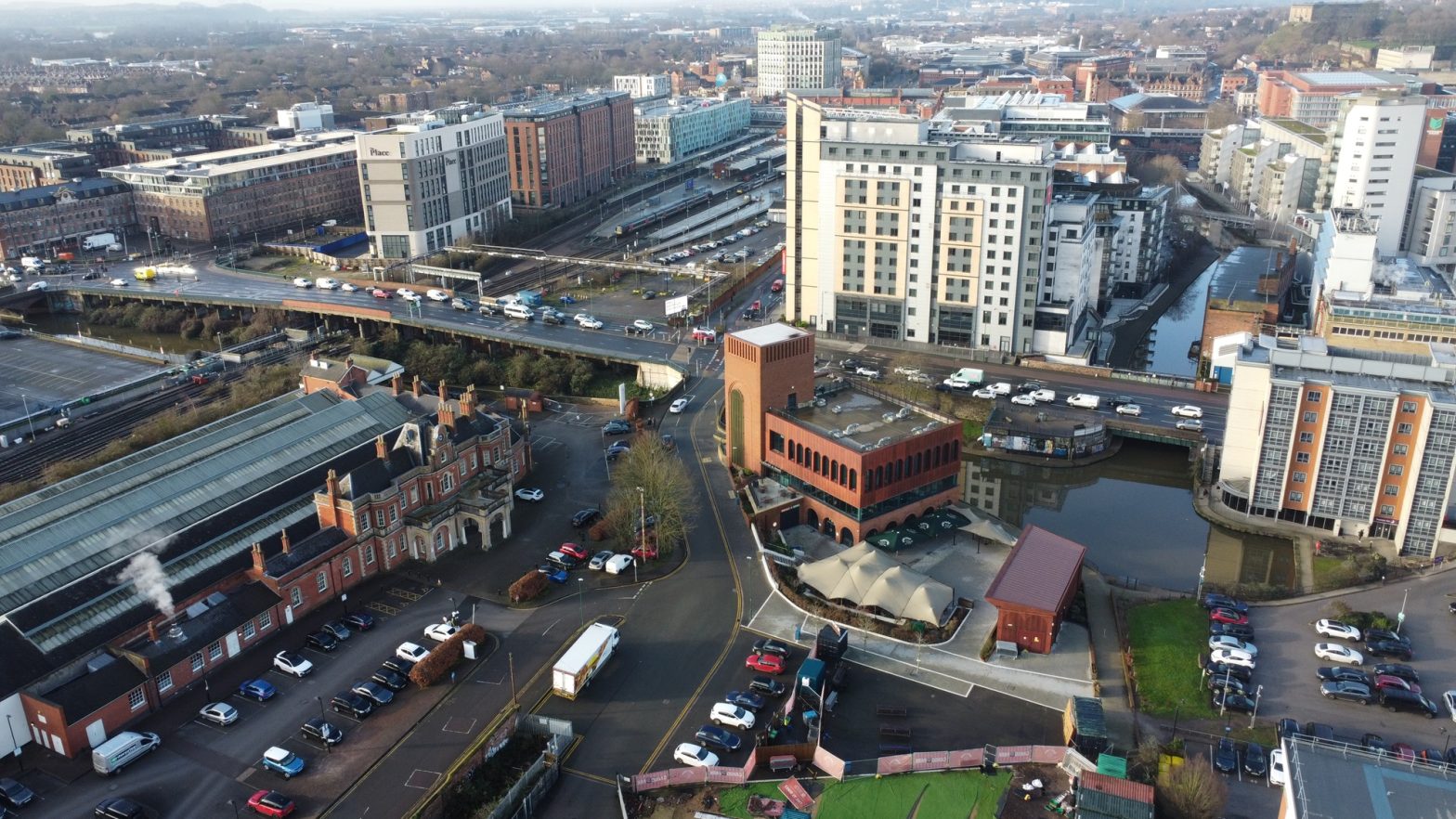
Within this wider context, The Island Quarter represents one of the region’s most ambitious regeneration opportunities. The 36-acre brownfield site, once the beating heart of Nottingham’s industrial boom, is being transformed into a new district to live, work and play – building a connected neighbourhood designed to support both city life and economic growth.
By creating a vibrant mixed-use destination in the heart of the city, we’re helping to contribute to the conditions that attract further investment and reinforce Nottingham’s reputation as a dynamic city that can meet modern needs.
Building long-term economic resilience
The long-term value of regeneration is not only measured in construction output or property investment. It is also reflected in stronger local economies, improved employment opportunities and cities that are better equipped to attract talent and innovation.
This is why developments such as The Island Quarter are designed to deliver more than physical transformation. With an extensive programme of supporting activities delivered with Sneinton Primary School, to Binks Yard having become ingrained in Nottingham’s live events scene, we are creating a place that will remain active and economically resilient for decades.
As the research demonstrates, regeneration works best when it acts as a catalyst. When public commitment encourages private investment and development is designed with long-term value in mind, the impact can reshape a city’s economic future.